A commercial project rarely runs into trouble because of one dramatic mistake. More often, it slips through small gaps – an approval that takes too long, a scope detail that stays unresolved, a vendor handoff that nobody fully owns, or a budget item that grows quietly until it affects the entire job. Commercial construction project management exists to prevent those gaps from becoming expensive delays, disputes, or compromised results.
For owners, investors, and business decision-makers, that oversight is not an administrative layer added to the project. It is the framework that keeps design intent, cost control, schedule discipline, procurement, site execution, and final delivery moving in the same direction. When management is strong, the project feels organized. When it is weak, even a well-designed project can become difficult to control.
What commercial construction project management really covers
Commercial construction project management is the structured coordination of every moving part required to take a project from concept to completion. That includes early planning, consultant alignment, budgeting, scheduling, permitting, procurement, construction oversight, quality control, change management, and closeout.
In practice, this means much more than tracking tasks. A project manager must understand how one decision affects the next. A design revision may influence permit timing. A late material selection may affect procurement. A procurement delay may shift installation sequencing, labor planning, and occupancy dates. Good management connects these variables before they create a chain reaction.
This is especially important in commercial work because the stakes are often broader than the construction itself. An office, retail space, hospitality project, mixed-use building, or development asset may be tied to lease commitments, financing milestones, operating deadlines, or revenue expectations. Delays and cost overruns do not stay on paper. They affect business performance.
Why commercial construction project management matters so much
A commercial project typically involves architects, engineers, interior designers, contractors, trades, suppliers, permit authorities, and owner representatives. Each party may be competent, but competence alone does not guarantee coordination. Without strong management, teams can work hard while still moving out of sync.
The value of project management is control. That control shows up in several ways. First, it creates clarity around scope, responsibilities, and decision paths. Second, it improves cost visibility before commitments are made in the field. Third, it protects the schedule by identifying critical path items early instead of reacting when they become urgent. Fourth, it establishes accountability, so issues are addressed by the right party at the right time.
For clients, the benefit is peace of mind, but not in a vague sense. It means receiving accurate updates, understanding what is happening on the project, knowing where risks sit, and having confidence that decisions are being documented and managed properly. That level of visibility is often what separates a controlled project from a stressful one.
The phases that define a well-managed commercial project
Pre-construction sets the tone
Most project problems are easier and less expensive to solve before construction begins. Pre-construction is where budget assumptions are tested, design intent is coordinated with reality, timelines are shaped, and procurement strategy starts to take form.
This phase should include scope definition, consultant coordination, preliminary scheduling, cost planning, constructability review, and permit mapping. If the team rushes through this stage, the field usually pays for it later. If the team invests in it properly, execution becomes more predictable.
There is a trade-off here. Some clients want to accelerate the start date, and sometimes that is justified. But speed without preparation can create rework, pricing uncertainty, and scheduling conflicts that ultimately cost more time than they save.
Procurement and planning protect the schedule
Many commercial delays begin before crews arrive on site. Long-lead materials, specialized systems, custom finishes, and coordination-dependent packages can all affect the critical path.
A capable management team does not wait for procurement issues to appear. It identifies them early, confirms lead times, aligns approvals with purchasing deadlines, and sequences decisions so that suppliers and trades can perform without interruption. This matters even more in premium commercial environments, where quality expectations are high and substitutions may not be acceptable.
Site execution requires active coordination
Construction is where planning is tested. Conditions change, field questions arise, and priorities compete for attention. This is the stage where project management must be visible, disciplined, and responsive.
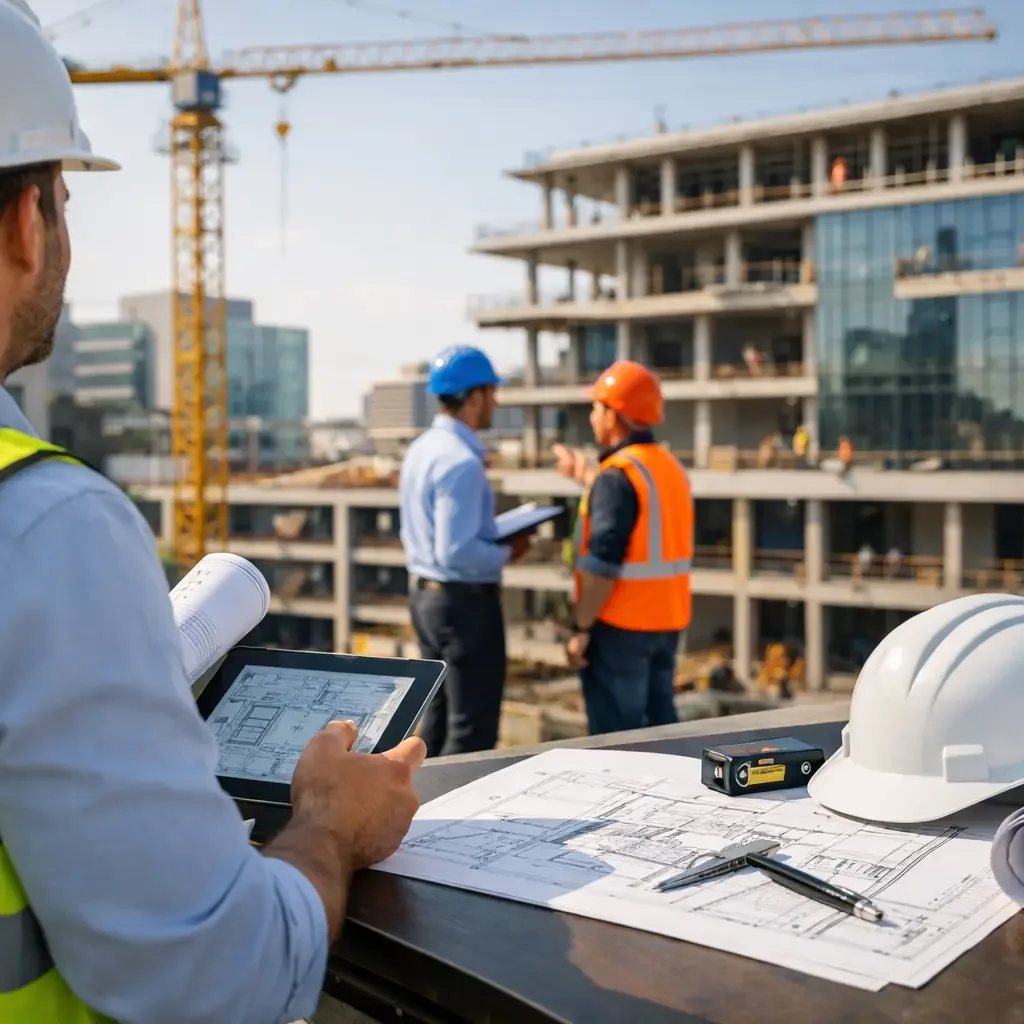
Strong field oversight includes schedule tracking, progress verification, site meetings, quality inspections, coordination between trades, issue resolution, and careful control of any changes to scope or cost. A project manager should not merely document what happened. The role is to keep work aligned with the intended sequence and intervene before small issues become broader setbacks.
Closeout is part of delivery, not an afterthought
A project is not truly complete when the physical work appears finished. Commercial closeout includes punch list management, testing and commissioning, final documentation, approvals, training if needed, and a proper handover.
This is where organized management continues to matter. A rushed closeout can leave owners with unresolved defects, missing records, or operational uncertainty. A well-managed closeout supports occupancy, protects asset value, and gives the client confidence that the project was completed to the expected standard.
The biggest risks in commercial construction
Some project risks are obvious, such as pricing volatility or permit delays. Others are less visible but equally damaging. Poor decision tracking, fragmented communication, incomplete drawings, misaligned expectations, and uncontrolled change orders can all undermine a project even when the site appears active and productive.
One of the most common issues is assuming that communication equals alignment. It does not. A meeting can happen, emails can circulate, and still the team may leave with different interpretations of the same issue. Effective project management brings structure to communication through documented decisions, defined responsibilities, and follow-up tied to deadlines.
Another frequent risk is underestimating the impact of late client decisions. Owners should absolutely have flexibility, especially when personalization or brand standards matter. But every decision has a timing implication. The right management approach does not remove flexibility. It makes the consequences of timing and change clear enough for the client to decide with confidence.
What clients should expect from a project management partner
Clients should expect more than status reports. A credible project management partner should offer informed guidance, clear forecasting, and real ownership of coordination. That includes transparent budget monitoring, realistic scheduling, proactive risk identification, and communication that is straightforward rather than overly technical.
The right partner should also understand the project from a broader business perspective. A corporate client may care deeply about operational continuity. An investor may focus on return, leasing timelines, and cost discipline. A developer may need integrated coordination across design, approvals, and execution. High-net-worth private clients may prioritize quality, discretion, and a single point of accountability. Good management adapts to those priorities without losing operational rigor.
This is where an integrated model can create significant value. When architecture, design coordination, construction, and management are aligned under one structure, there is often less friction between planning and execution. The benefit is not simply convenience. It is faster problem-solving, clearer accountability, and better continuity from concept through handover. For many clients, especially those who do not want to manage multiple vendors themselves, that centralized approach reduces both risk and effort.
How better management leads to better outcomes
Well-run commercial projects do not depend on constant urgency. They depend on preparation, coordination, and disciplined execution. The strongest outcomes usually come from teams that make decisions early, communicate clearly, document consistently, and keep the client informed without overwhelming them.
That does not mean every project will unfold exactly as planned. Construction always involves variables, and experienced teams know that adaptation is part of the work. What matters is how those variables are handled. A delay can be mitigated, a scope issue can be clarified, and a cost pressure can be managed if the project has strong oversight. Without that structure, even manageable issues can escalate.
At KSB, this principle shapes the way projects are delivered across the full lifecycle. When planning, design, construction, and management are coordinated with transparency and accountability, clients gain more than a finished space. They gain confidence in the process that got them there.
For anyone considering a commercial build or renovation, the key question is not simply who can construct the project. It is who can keep every part of it aligned, accountable, and moving toward the same result from the first conversation to the final handover.