A flooring decision can affect a rental property long after the installation crew leaves. It influences vacancy readiness, repair costs, cleaning time, tenant perception, and the consistency of every future renovation. The best flooring for rental properties is rarely the least expensive material at purchase. It is the option that delivers dependable performance, a credible finish, and controlled replacement costs over the life of the asset.
For owners and investors, the right answer depends on the property’s position in the market, expected tenant profile, local climate, and the condition of the subfloor. A material that performs well in a high-turnover apartment may not be the right choice for a premium single-family rental. The goal is to make a deliberate specification, not simply select what is available or fashionable.
How to Choose the Best Flooring for Rental Properties
Flooring should be evaluated as an operating decision rather than a decorative one. Initial material cost matters, but it should be weighed against installation complexity, resistance to water and impact, maintenance requirements, and the likelihood of localized repairs.
A useful starting point is to consider four questions. How much foot traffic will the space receive? Is the area exposed to water, pets, or exterior dirt? Will damaged sections need to be replaced between tenants? And does the finish support the rent level and overall positioning of the property?
For example, a ground-floor unit with direct outdoor access benefits from a highly water-resistant surface and an entry solution that can tolerate grit. A luxury rental may justify engineered hardwood in living areas, but only if the lease terms, tenant profile, and maintenance plan support it. In many cases, a coordinated combination of materials offers the best balance between appearance and operational control.
Total cost is more than the purchase price
A low-cost floor can become expensive when it fails early, requires extensive preparation, or cannot be repaired without replacing an entire room. The more relevant measure is lifecycle cost: material, labor, subfloor preparation, transitions, cleaning, repairs, and expected replacement.
Standardizing flooring across comparable units can reduce this cost. Keeping a documented product specification, approved color, and a small amount of reserve material makes future repairs more predictable. It also helps maintain a consistent visual standard across the portfolio.
Durability should match the room
Not every room needs the same flooring. Kitchens, bathrooms, laundry areas, entries, and pet-prone spaces face different risks than bedrooms. Selecting one material for an entire property may simplify purchasing, but it can create unnecessary compromises.
Waterproof or water-resistant products are particularly valuable where leaks, spills, and wet shoes are common. However, no finish eliminates the need to address moisture at its source. A leaking appliance, poor drainage, or unprepared concrete slab can damage flooring, adhesives, and surrounding finishes regardless of the product selected.
Luxury Vinyl Plank: The Most Versatile Rental Option
Luxury vinyl plank, often called LVP, is frequently the strongest all-around choice for rental properties. It can provide the appearance of wood while offering good resistance to water, scratching, and day-to-day wear. It is also available in a wide range of colors and plank sizes, making it easier to align the finish with the property’s intended market.
For most mid-market and upper-mid-market rentals, a quality LVP with a suitable wear layer offers a practical combination of durability and tenant appeal. A thicker wear layer is generally more appropriate for high-traffic properties, furnished rentals, and units that may accommodate pets. Product construction also matters. Rigid-core options can help manage minor subfloor irregularities, while glue-down vinyl may be preferable in certain commercial-style or high-traffic applications where long-term stability is the priority.
LVP is not without limitations. Deep gouges can still occur, lower-quality products may look artificial, and improperly installed floating floors can separate or feel unstable. The installation must allow for expansion where required, transitions must be properly detailed, and the subfloor must meet the manufacturer’s flatness and moisture requirements. These are execution details that directly affect performance.
Tile: Best for Wet Areas and Long-Term Resilience
Porcelain or ceramic tile remains a reliable choice for bathrooms, laundry rooms, entries, and kitchens. Porcelain is especially durable, moisture-resistant, and easy to clean. In the right design, it can also support a more premium presentation.
Its trade-off is cost and complexity. Tile installation requires a properly prepared substrate, skilled labor, grout selection, and careful coordination around fixtures and door clearances. Repairs can be more involved than replacing a vinyl plank, particularly if matching tile is no longer available.
For rental applications, choose a neutral tile with moderate variation and a finish that is practical underfoot. Highly polished surfaces can show water spots and may be slippery when wet. Very textured surfaces can retain dirt. A balanced matte or low-sheen finish often provides the best operating result.
Laminate, Carpet, and Hardwood: Where They Fit
Laminate flooring can be a cost-conscious option in dry living areas and bedrooms. Modern products have improved in appearance and scratch resistance, but water exposure remains a concern. Swelling at joints and edges can make a small leak an extensive replacement issue. It is best used only where moisture risk is controlled and the product is rated for the expected use.
Carpet can still make sense in bedrooms, particularly in colder markets or properties where sound reduction is a major concern. It creates a softer, quieter environment and can be less expensive to install initially. Yet it retains odors, stains, and allergens more readily than hard flooring. In rentals with frequent turnover, pets, or smoking risk, carpet often creates more cleaning and replacement exposure than owners anticipate.
Hardwood and engineered hardwood can elevate the appeal of a high-end rental, but they require disciplined selection and maintenance. Solid hardwood is vulnerable to moisture movement and can be costly to refinish during turnover. Engineered hardwood offers greater dimensional stability, though its repairability depends on the veneer thickness and installation method. These products are best reserved for properties where the rental value clearly supports the investment.
Installation Quality Protects the Flooring Investment
Even the right flooring product will underperform if the substrate is not properly assessed. Concrete slabs should be tested for moisture where relevant. Wood subfloors should be checked for movement, unevenness, and damage. Existing flooring, adhesives, baseboards, appliances, doors, and transitions must all be considered before the work begins.
This is where project coordination has real value. Flooring installation interacts with painting, cabinetry, plumbing fixtures, interior doors, and final cleaning. If sequencing is poorly managed, newly installed floors can be damaged by later trades or delayed by unfinished preparation work.
For multifamily properties and condominiums, acoustic requirements also deserve attention. Underlayment selection, floor assembly thickness, and building association rules can affect both the material choice and installation method. A flooring decision that ignores sound transmission requirements can lead to avoidable rework or approval issues.
A Practical Specification for Most Rental Renovations
For many rental properties, a practical approach is to use quality LVP throughout living areas, halls, and bedrooms, paired with porcelain tile in bathrooms and other consistently wet spaces. This creates a cohesive appearance, supports efficient turnover cleaning, and limits the number of materials that must be stocked and maintained.
Choose neutral tones that work with a range of wall colors, cabinetry, and furnishing styles. Mid-tone wood visuals and understated tile tend to wear better visually than very dark floors, which show dust, or very light finishes, which can reveal certain stains and scuffs. Avoid highly distinctive patterns that may date quickly or complicate future repairs.
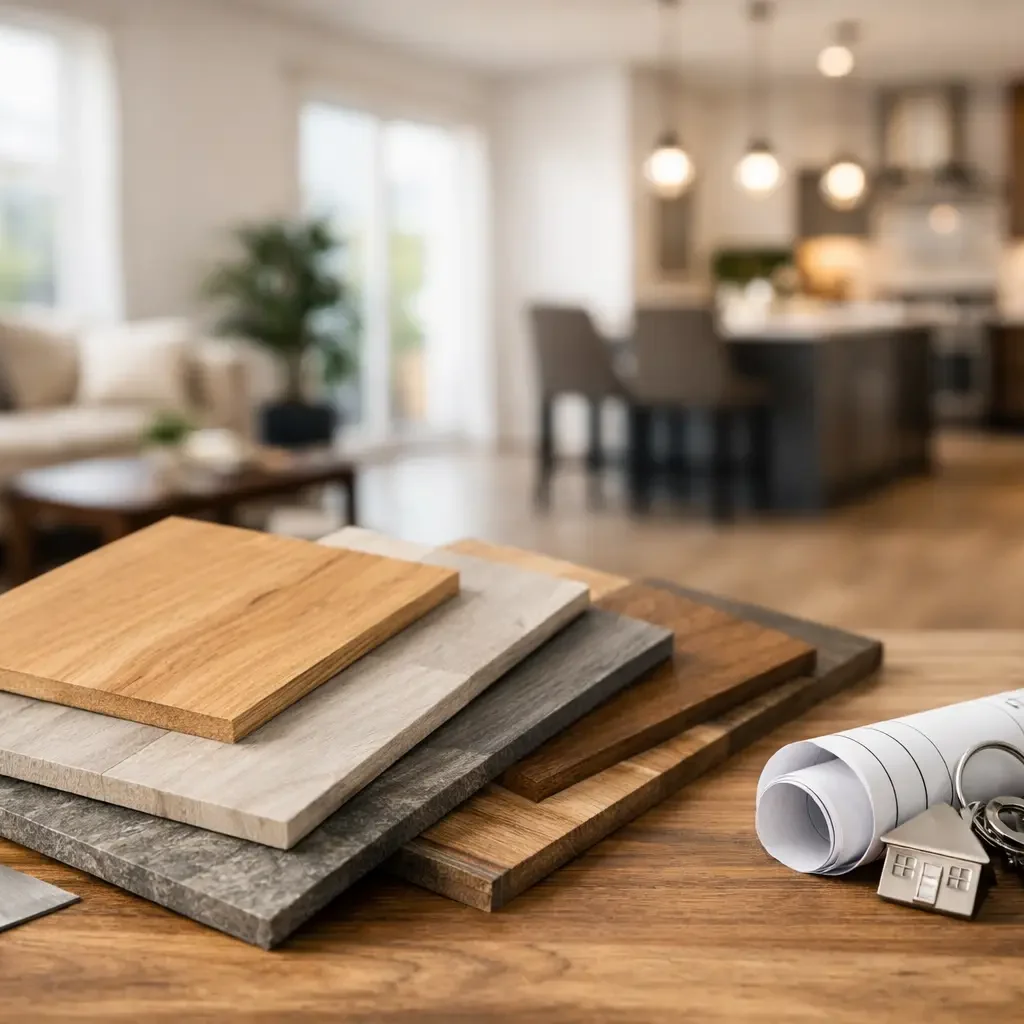
Before approving a product, review a physical sample under the property’s actual lighting. Confirm availability, lead times, warranty terms, trim pieces, transition profiles, and replacement stock. A flooring specification should be repeatable, not dependent on a product that may be discontinued before the next turnover.
A well-managed rental renovation does not treat flooring as an isolated finish. It is part of a broader plan for durable construction, efficient maintenance, and a property that continues to present well after the first lease is signed. The strongest choice is the one that protects that plan with every turnover.