
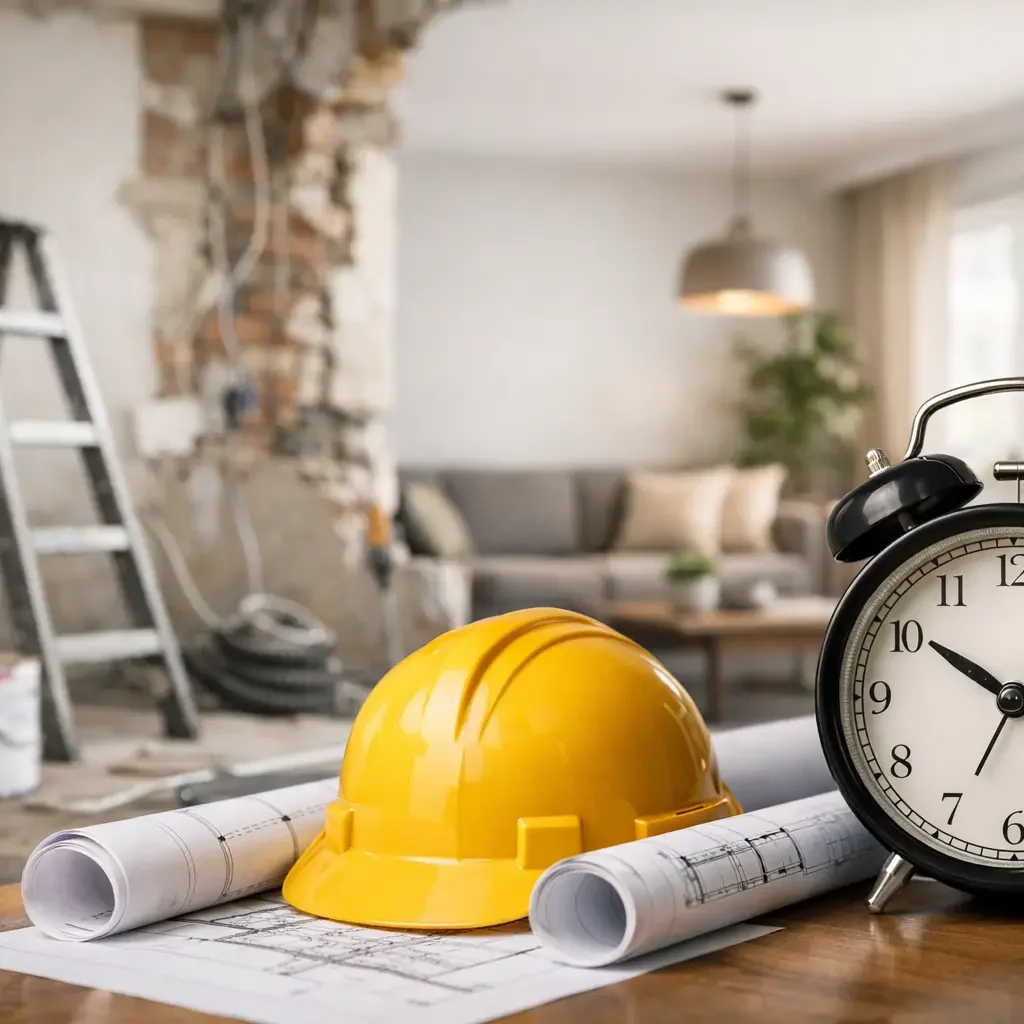
A full renovation rarely takes as long as people hope – and it should not be rushed just to satisfy an optimistic timeline. When clients ask quanto tempo leva uma reforma completa, the honest answer is: it depends on the scope, the approval path, the existing conditions, and how well the project is managed from day one.
That answer may sound broad, but in construction, precision comes from process. A renovation schedule is not defined only by demolition and installation. It is shaped by design decisions, procurement lead times, building rules, inspections, sequencing, and the quality standard expected at the finish line. If the goal is a controlled result, with fewer surprises and less rework, the timeline must be built around the project itself – not around guesswork.
How long does a full renovation usually take?
For most residential projects, a complete renovation can take anywhere from 3 to 9 months. For larger homes, high-end finishes, structural interventions, or projects in occupied buildings with strict rules, the timeline may extend beyond that. Commercial renovations can also vary significantly depending on permits, operating constraints, and technical requirements.
A cosmetic renovation with limited layout changes may move faster. A full-scope renovation that includes demolition, new systems, custom millwork, kitchen and bathroom rebuilds, flooring, lighting, and finish work will naturally require more time. The more trades involved, the more coordination is needed.
This is why a reliable estimate begins with a detailed scope. Without that, any answer to quanto tempo leva uma reforma completa is little more than a rough guess.
What determines quanto tempo leva uma reforma completa
The duration of a renovation is influenced by several interconnected factors. Some are visible from the start, while others only appear once work begins and existing conditions are exposed.
Scope and complexity
The first and most obvious variable is the scale of the work. Renovating one apartment with standard materials is very different from reconfiguring an entire house, relocating plumbing, reinforcing structural elements, and integrating custom interiors.
Complexity affects both labor and sequencing. If multiple systems need to be modified at once, each phase must be coordinated carefully so that one trade does not block another. This is where project management has a direct impact on the timeline.
Design definition before construction
Projects move faster when decisions are made early. Layouts, finishes, joinery details, lighting plans, and equipment selections all affect procurement and execution. If those decisions happen during construction, the schedule usually stretches.
Late changes are one of the most common sources of delay. They can trigger redesign, material substitutions, additional approvals, and partial rework. A well-developed design package helps protect both time and budget.
Permits, approvals, and building rules
Some renovations can begin quickly. Others depend on permits, HOA approvals, landlord consent, landmark restrictions, or building management procedures. In multifamily and urban environments, work hours, elevator reservations, debris removal protocols, and noise rules can significantly influence the schedule.
This stage is often underestimated because the site may look ready, but administratively the project is not yet cleared to proceed. An experienced team accounts for these constraints upfront instead of reacting to them later.
Existing site conditions
Older properties often contain hidden variables. Uneven floors, outdated wiring, water damage, noncompliant installations, or undocumented prior work may only become visible during demolition.
That does not mean older buildings should be avoided. It means their timelines should include contingency. A realistic schedule leaves room for discoveries that need correction before finish work can begin.
Material lead times
One delayed item can affect the entire chain. Custom cabinetry, stone slabs, imported tile, specialty fixtures, windows, and made-to-order doors often have lead times that extend well beyond the installation date.
If procurement is not aligned with the construction sequence, crews may finish one stage and then wait for materials to arrive. That kind of interruption is expensive and avoidable when purchasing is managed early.
A realistic renovation timeline by phase
A complete renovation is best understood as a series of phases rather than one continuous block of work. Each phase has its own dependencies.
1. Planning and design
This phase often takes 4 to 10 weeks, sometimes more for larger or highly customized projects. It includes site assessment, scope definition, design development, budgeting, technical coordination, and material selection.
Clients are sometimes eager to shorten this step, but compressing planning usually shifts problems into construction. Strong pre-construction work creates speed later because crews can build against clear information.
2. Approvals and procurement
This can take 2 to 8 weeks, depending on the project type and the approval environment. In parallel, long-lead items should be ordered as soon as specifications are confirmed.
On well-managed projects, procurement is not treated as an administrative afterthought. It is part of schedule control. If custom elements are central to the design, ordering them late can add weeks or months.
3. Demolition and rough construction
This phase often lasts 2 to 6 weeks. It includes demolition, structural adjustments, framing, rough plumbing, rough electrical, HVAC modifications, and any foundational corrections required after opening the site.
This is also the phase where surprises tend to emerge. Existing conditions become clearer, and decisions may need to be validated against what is actually behind the walls and under the floors.
4. Finishes and installation
This stage generally takes 4 to 12 weeks. It covers flooring, tilework, painting, cabinetry, countertops, lighting, fixtures, doors, trim, and hardware. The schedule here depends heavily on craftsmanship level and material availability.
High-end finishes require time. Precision installation is not the place to force speed. If the objective is a premium result, finish work must be sequenced properly and quality checked continuously.
5. Final corrections and handover
The final 1 to 3 weeks are often overlooked, but they matter. This period includes testing, punch list corrections, cleaning, final inspections, and preparation for handover.
Projects do not end when the last item is installed. They end when all details are reviewed and the space is ready to be used with confidence.
Why some renovations take longer than expected
Delays are not always caused by poor execution. Sometimes they result from decisions made before construction even starts. An incomplete scope, unrealistic budget, fragmented responsibility, or lack of coordination between designers, suppliers, and trades can add weeks quietly before anyone recognizes the pattern.
There is also a trade-off between speed and control. A project can be pushed aggressively, but if that creates ordering errors, incomplete drawings, misaligned trades, or rushed finishes, the time saved upfront is often lost to rework. In practice, the fastest projects are usually the ones that are best prepared.
This is why integrated management matters. When design, procurement, execution, and schedule oversight are aligned under one coordinated structure, the process becomes more predictable. Communication improves, handoffs are cleaner, and decisions are made with full visibility of cost and timing impacts.
How to shorten the timeline without compromising quality
The goal should not be to make a renovation artificially fast. It should be to remove preventable delays. That begins with a clear brief, a defined scope, and realistic expectations about budget and finish level.
It also helps to finalize key selections early. Clients who know they want custom kitchen cabinetry, natural stone, specialty lighting, or imported finishes should treat those items as schedule drivers, not decorative details. They influence the critical path.
Just as important is centralizing responsibility. When multiple vendors work independently, delays often happen between them – in unanswered questions, overlapping scopes, missing information, and blame transfer. A single point of coordination reduces that friction and protects momentum.
For clients who value transparency, a good schedule should also be active, not static. It should be reviewed regularly, updated as conditions change, and used as a real management tool rather than a document created only at kickoff.
The better question is not just how long
Asking quanto tempo leva uma reforma completa is the right place to start, but not the only question that matters. The more useful conversation is how that timeline will be built, controlled, and protected throughout the project.
A renovation timeline becomes reliable when it is supported by clear design, disciplined procurement, coordinated execution, and proactive communication. That is what gives clients something more valuable than speed alone: predictability.
If you are planning a full renovation, the best next step is not to chase the shortest promise. It is to work with a team that can explain the process clearly, identify the real schedule drivers, and deliver a timeline built around quality, accountability, and your long-term use of the space. That is where peace of mind begins.